Catch problems at the source, not at the customer.


The industries where QA/QC failures carry the highest cost are the ones where this visibility matters most. Medical device manufacturers use CT to verify internal feature conformance and catch assembly defects before regulatory submission, building a documented quality record that supports FDA review without additional destructive test steps. Automotive suppliers use CT to inspect incoming components, verify first articles, and document internal quality for PPAP submissions that OEM quality standards require. Aerospace and defense teams run CT-based inspection on safety-critical components where the cost of an escape is a field failure in a system where field failures are not acceptable. Electronics, battery, and consumer packaged goods manufacturers use the same capability to catch process drift before it becomes a population problem.
Lumafield's platform connects inspection data to the quality system. Findings live in Voyager, where they can be compared against CAD, linked to process parameters, shared across sites, and carried into corrective action workflows without manual reformatting. The gap between what inspection finds and what the quality system acts on closes.


Featured Resources
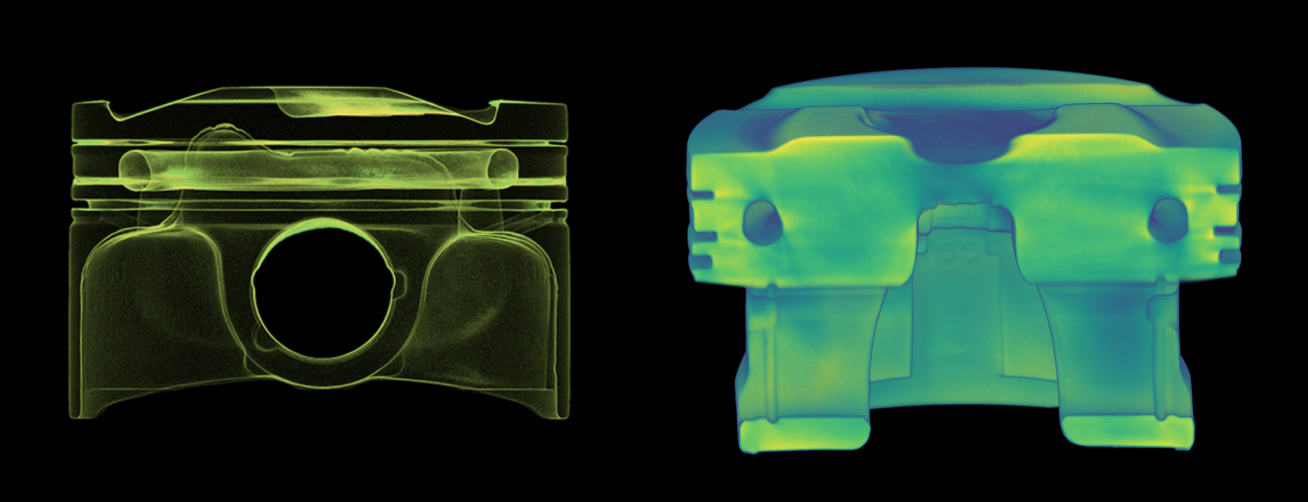
A global automotive safety leader saved over $100K annually on X-ray machine maintenance.

In our first scan with Lumafield, we saw what we were looking for. We saved ourselves four months.